
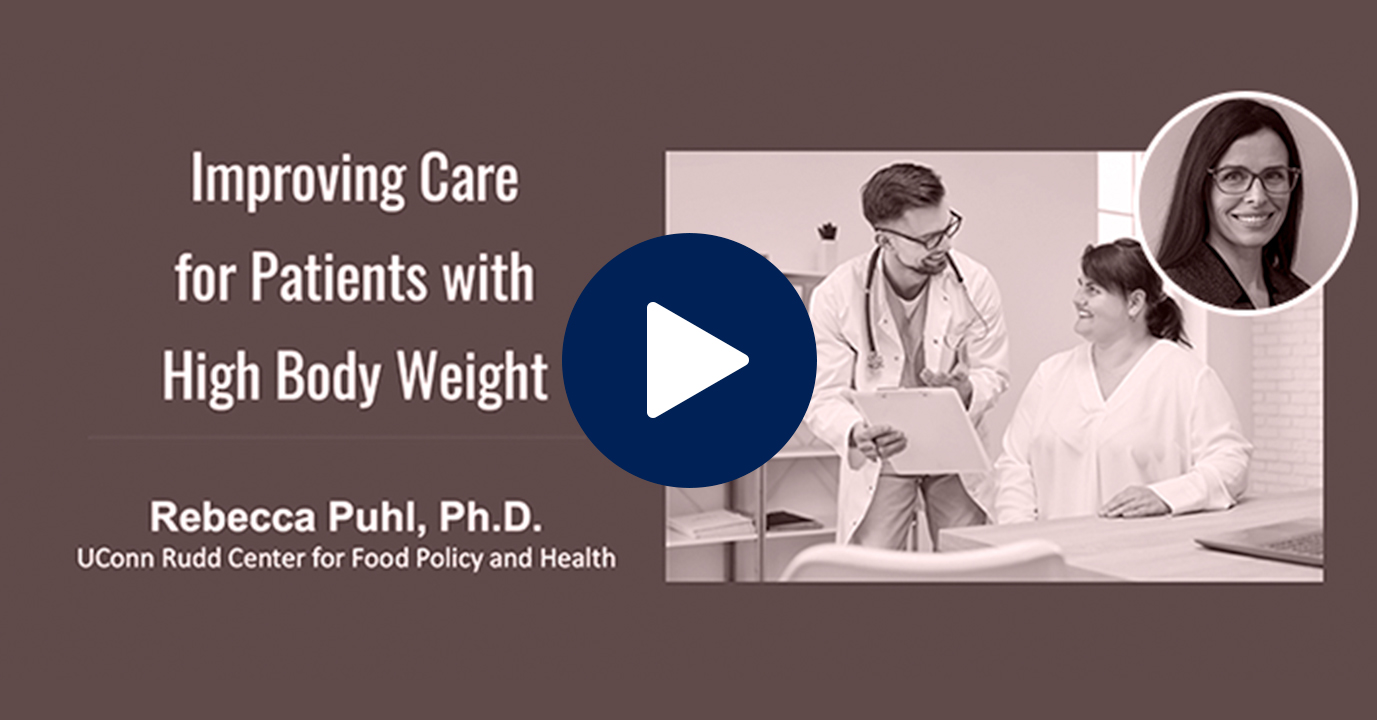
Tools for dietitians
Clinicians are not immune to weight bias and may unintentionally communicate in ways that blame or shame people with higher weight, creating barriers to effective patient care. Given the key role of dietitians in supporting optimal weight-related health outcomes of patients, it’s important to take steps to eliminate weight stigma from dietetics practice and ensure respectful and compassionate care for patients and clients receiving dietetics care.
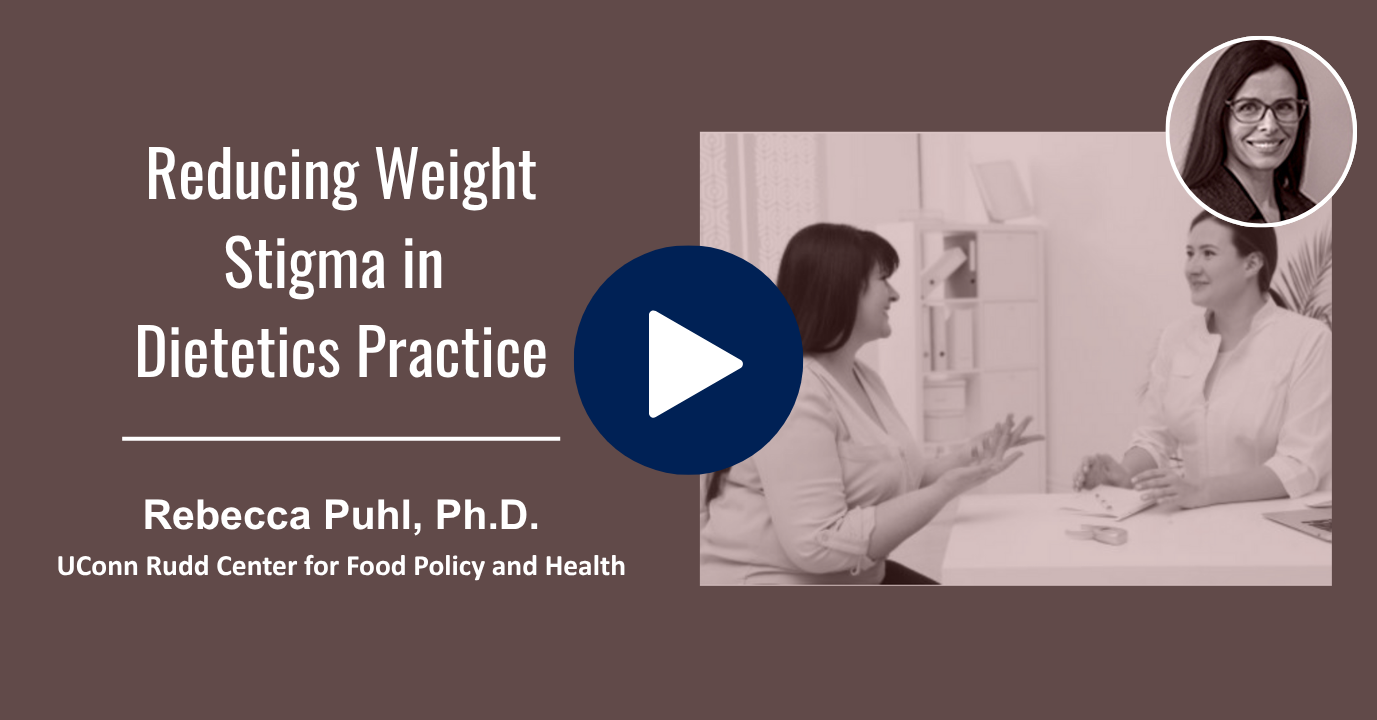
Reducing weight stigma in dietetics practice
Through increased self-awareness and education about weight stigma, respectful language, supportive counseling, and patient-centered approaches, dietitians can remove weight stigma in training, research, and practice.
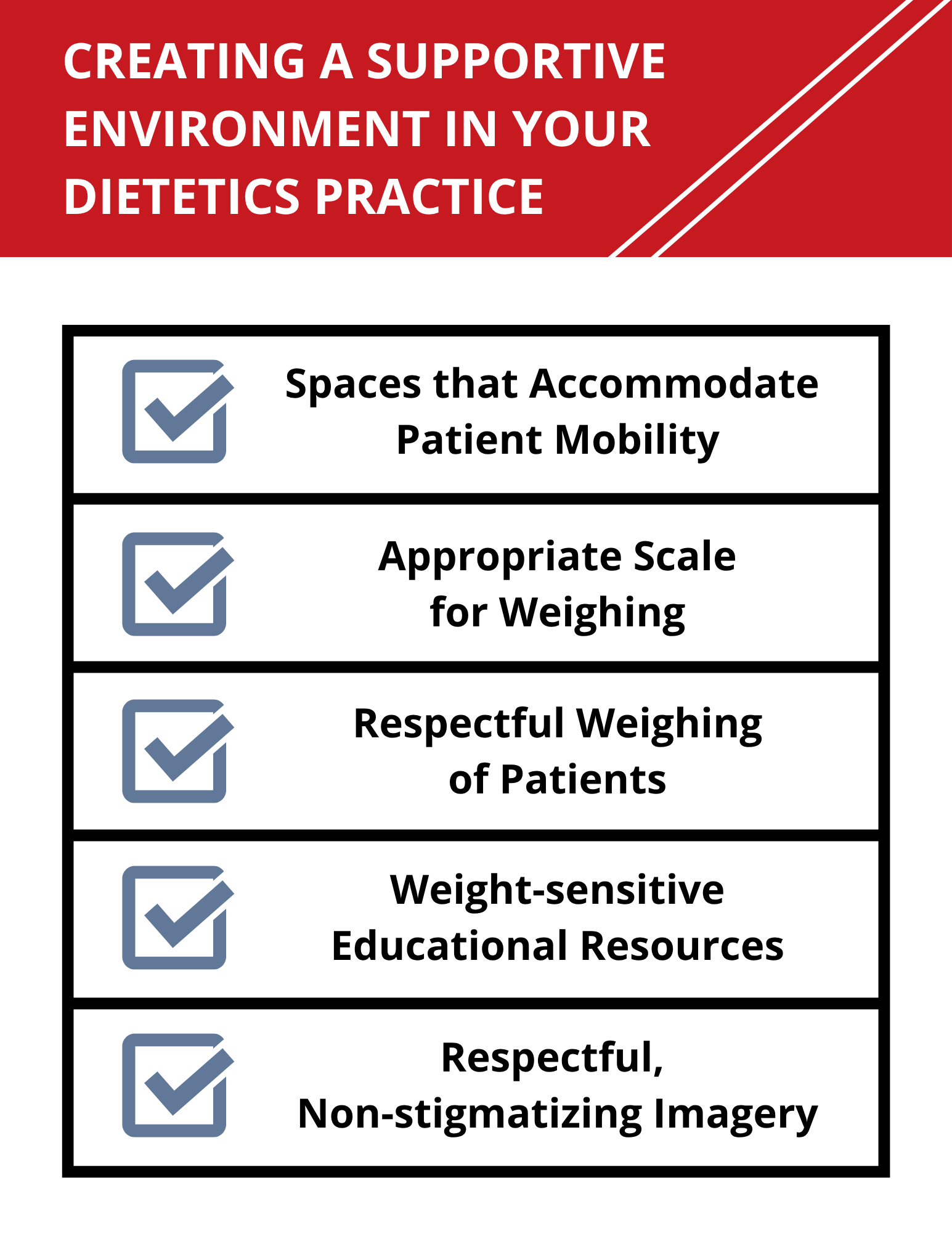
Supportive and accessible dietetics office environments
Ensuring your practice setting provides a welcoming space for patients of diverse body sizes.
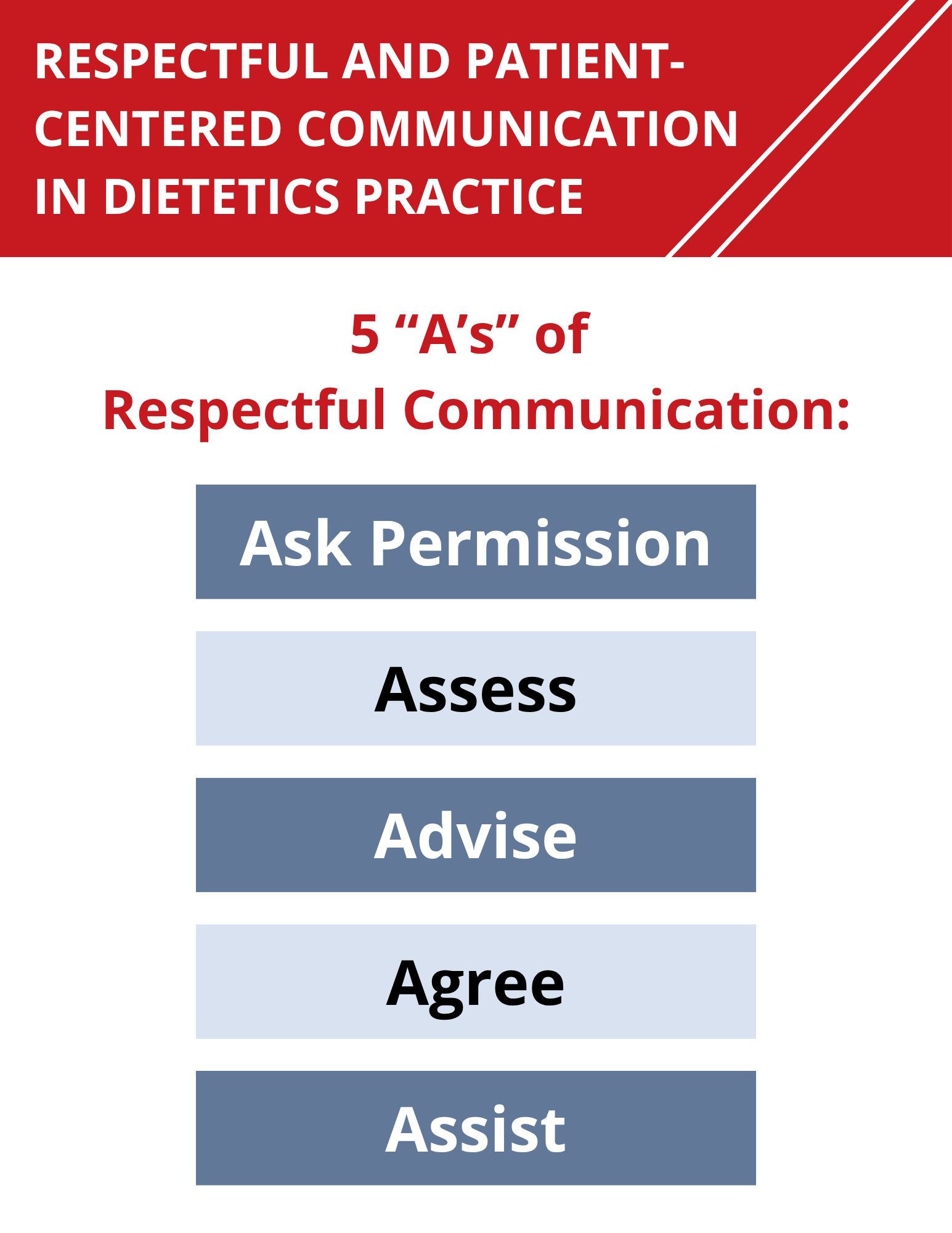
Respectful communication in dietetics practice
Strategies for prioritizing individualized, patient-centered approaches in dietary counseling.
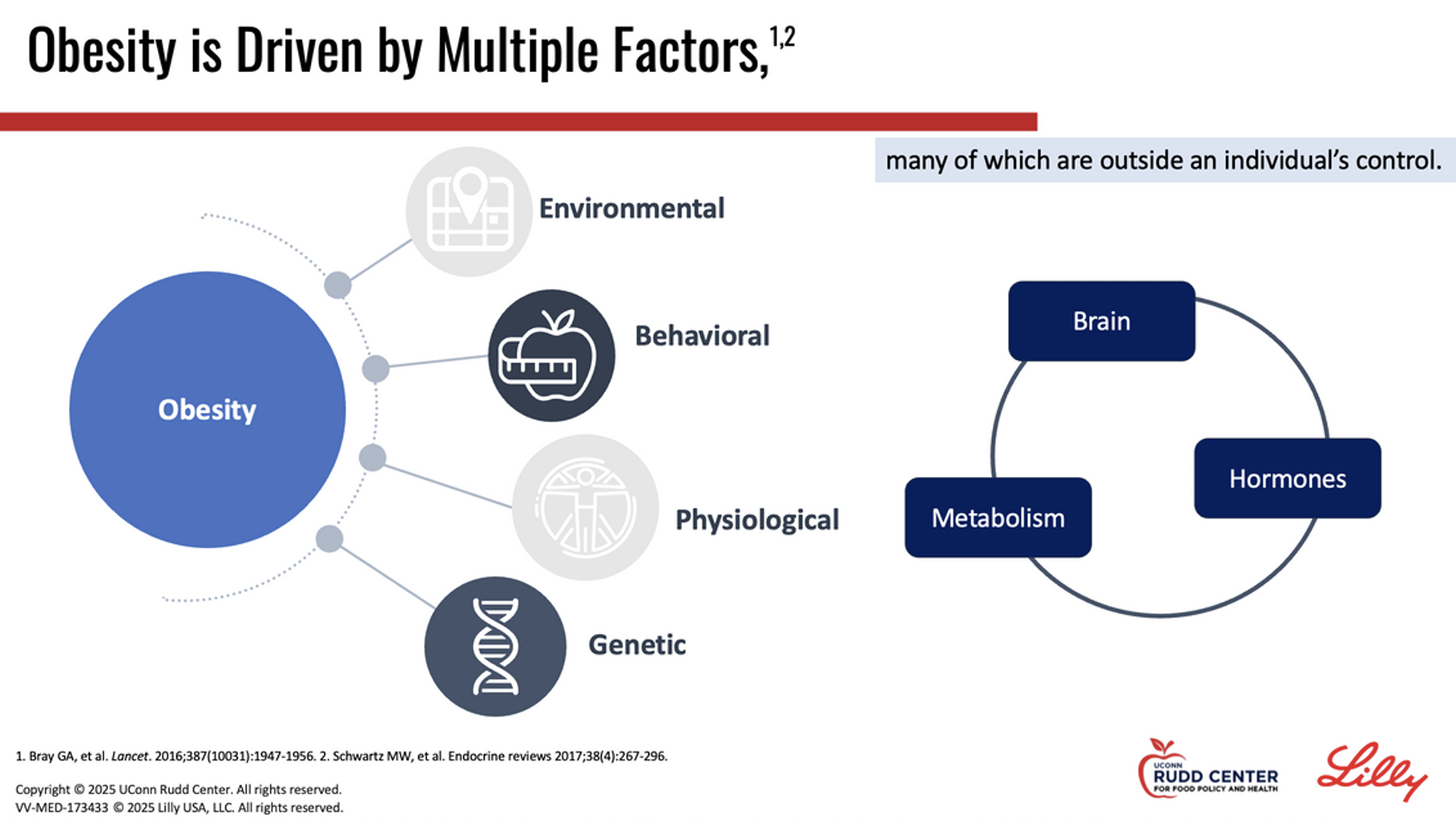
Understanding Obesity and Body Weight Regulation
Obesity is a complex disease, with multiple contributing factors, many of which are outside of an individual's control. Understanding and acknowledging this is essential to promoting a supportive and collaborative dietetics environment.
Content Referenced in this Module
How can we improve healthcare for people of all body sizes?
Professor Puhl highlights how we can adapt our attitudes, language, and environment to provide satisfactory care.
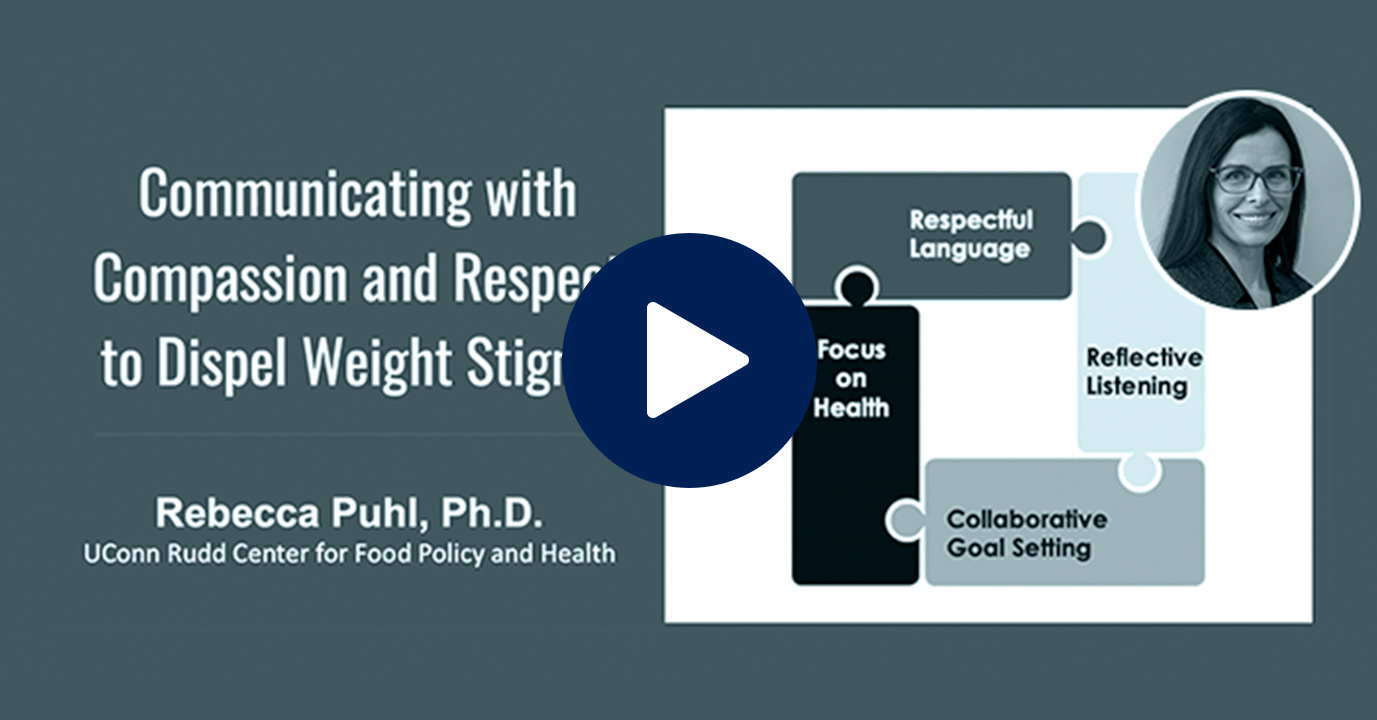
Communicating with compassion and respect to dispel stigma
Learn what forms of communication to use (and avoid) for optimizing supportive conversations with patients.
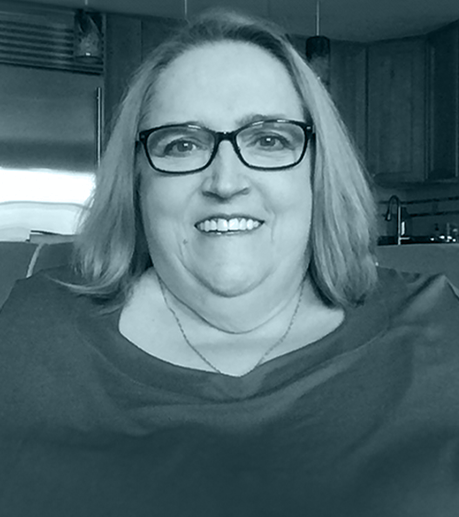
A patient’s perspective of weight bias: Insights from Patty Nece
Patty describes what it is like to be a patient experiencing weight stigma in the healthcare setting.
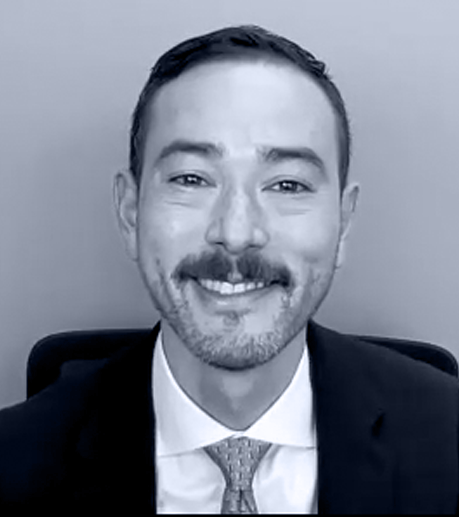
How weight bias hinders healthcare: Observations from Dr. Jaime Almandoz, M.D.
A discussion with Dr. Jaime Almandoz, M.D., Associate Professor, Department of Internal Medicine, & Division of Endocrinology, UT Southwestern Medical Center.
Guided self-reflection on weight stigma in healthcare
Become more aware of your views about body size, interactions with patients, and strategies for ongoing, reflective practice.
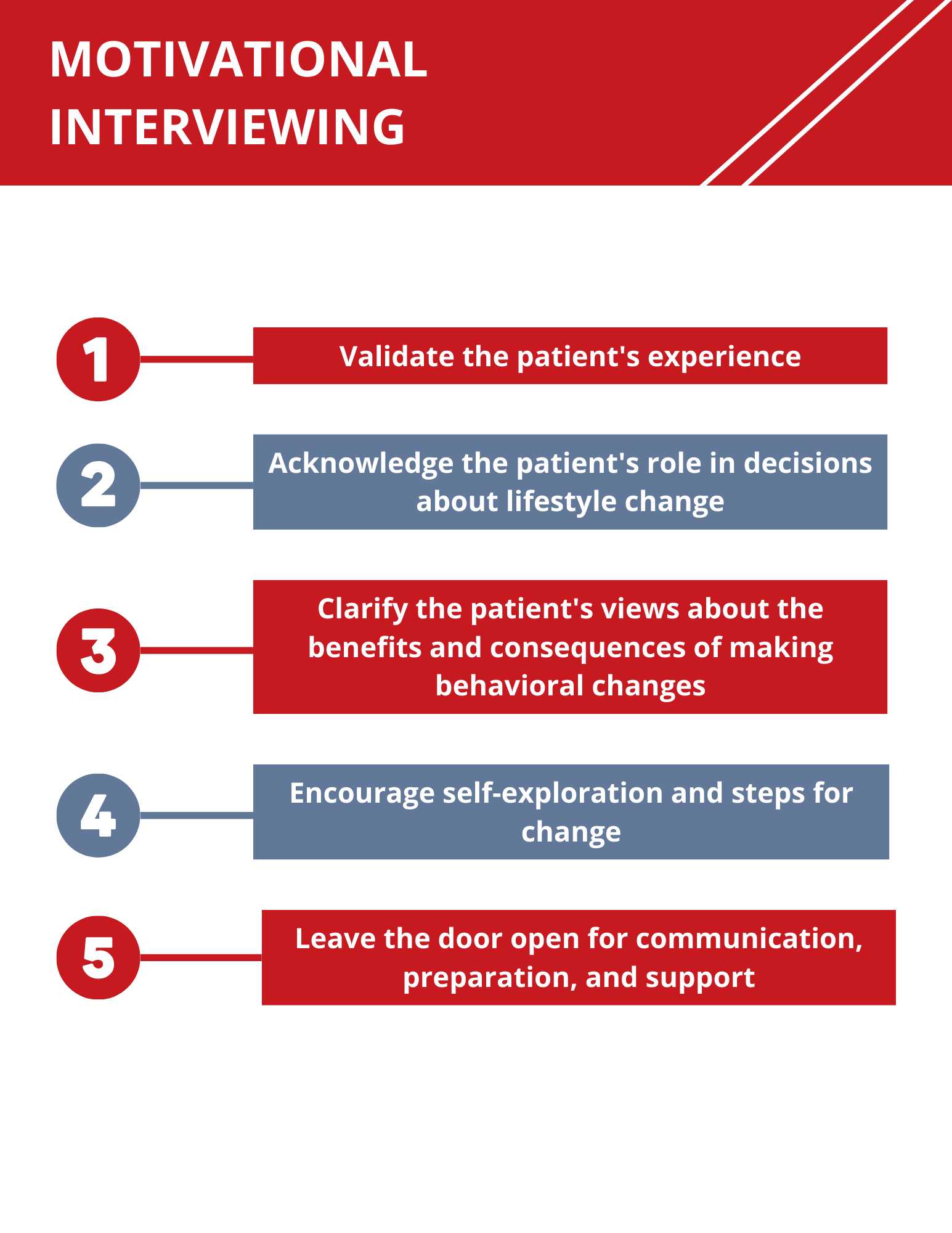
Motivational interviewing
How to use motivational interviewing, an evidence-based approach for guiding behavior change, with example scripts for patient interactions.
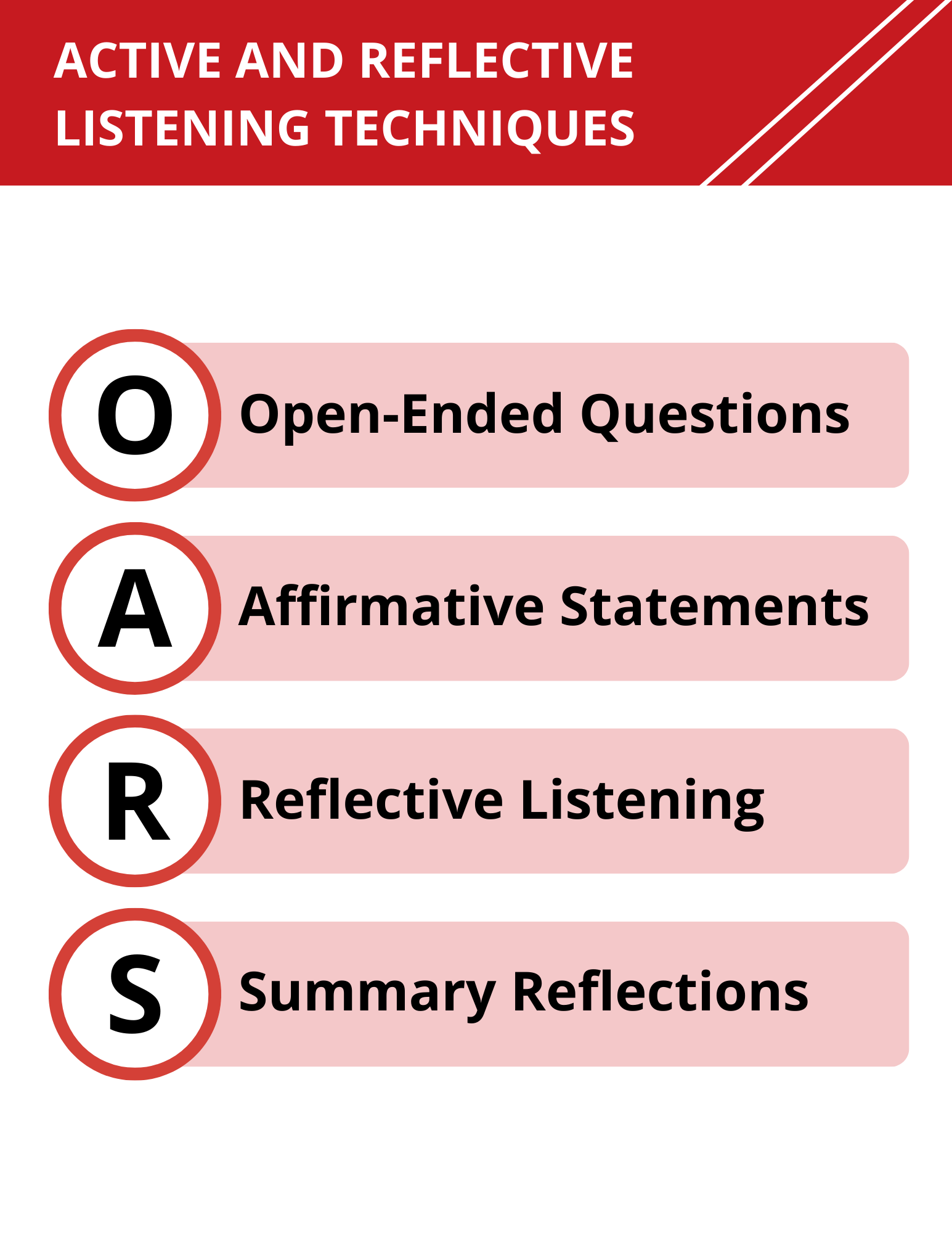
Reflective listening
How to use reflective listening strategies to improve the quality of your communication with patients of diverse body sizes.
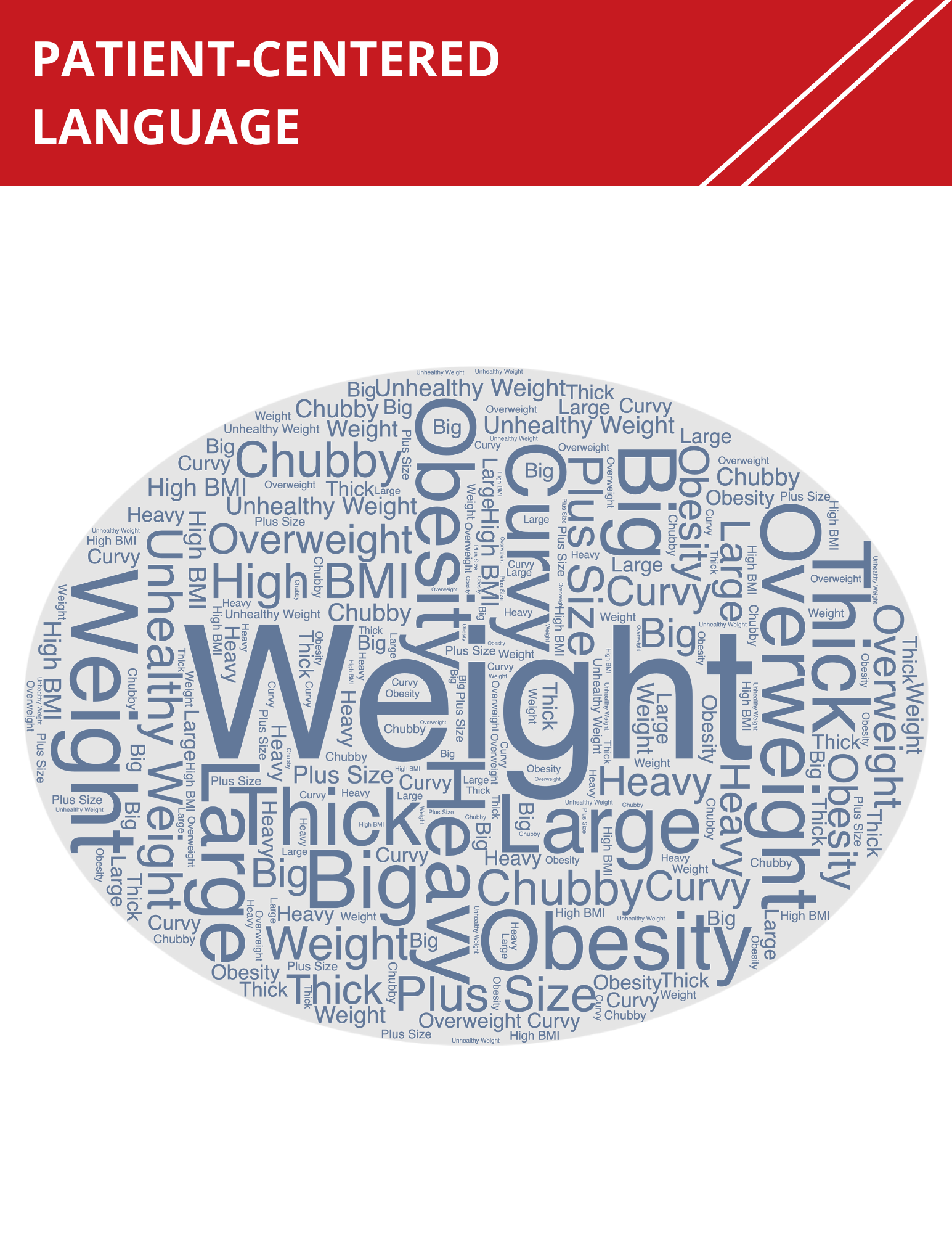
Patient-centered language
A summary of how to use patient-centered language when talking about body weight.
This website is for educational purposes only and includes resources to help healthcare professionals deliver supportive and compassionate patient care to people of diverse body sizes. The site does not contain information about any Lilly products and has no commercial intent.
Copyright © 2026 UConn Rudd Center. All rights reserved.
VV-MED-140301 © 2026 Lilly USA, LLC. All rights reserved.


